Sliding-headstock CNC turning of small-diameter, high-precision parts in brass, copper and aluminium — the premier process for instrumentation, pneumatic and connector components, at any volume.
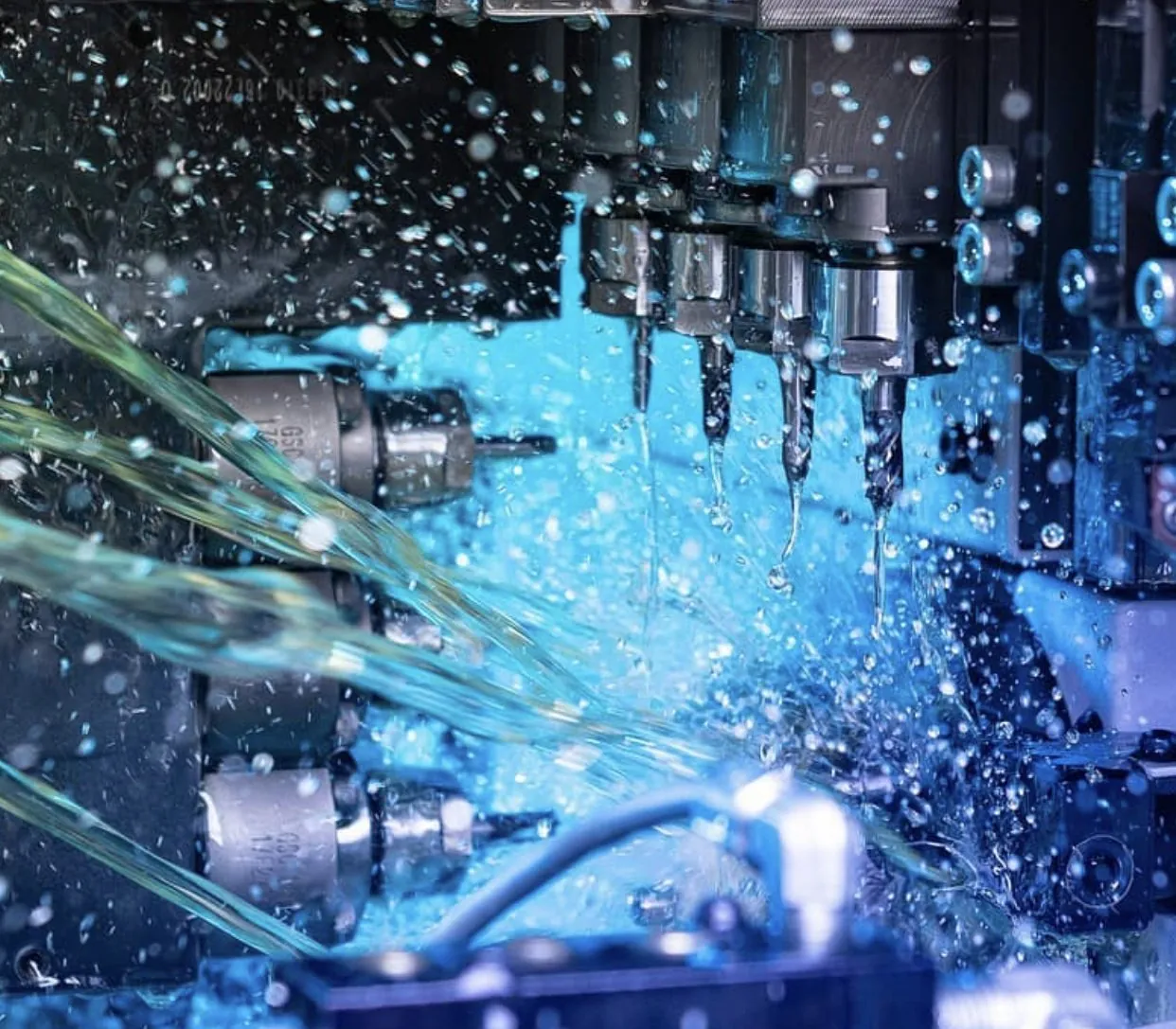
Brassland runs 28+ Swiss-type sliding-head CNC machines from Tsugami and Star (Japan) — part of a 79+ machine fleet, all in-house in Jamnagar. With guide-bushing support close to the cutting zone, sliding-head turning is the premier process for small-diameter, slender and high-precision parts — finished complete off the bar, at volumes from prototypes to millions per year.
Small-diameter bar (Ø2–32 mm) fed straight into the sliding-head machines — drawn brass, copper and aluminium in the grades below.
CW617N, CW614N, CW602N (DZR), CW724R (lead-free) and CW510L — from free-machining grades to dezincification-resistant and drinking-water alloys.
Alloy datasheets →C11000 (ETP) — high electrical and thermal conductivity for contacts, terminals and connector pins.
C11000 datasheet →6061 & 6063 — lightweight structural and enclosure parts where weight and corrosion resistance matter.
Aluminium & copper →Sliding-headstock turning with a guide bushing, live tooling and a sub-spindle finishes small, slender parts complete — straight off the bar, in a single cycle. Fewer setups mean tighter concentricity, lower cost and faster delivery.
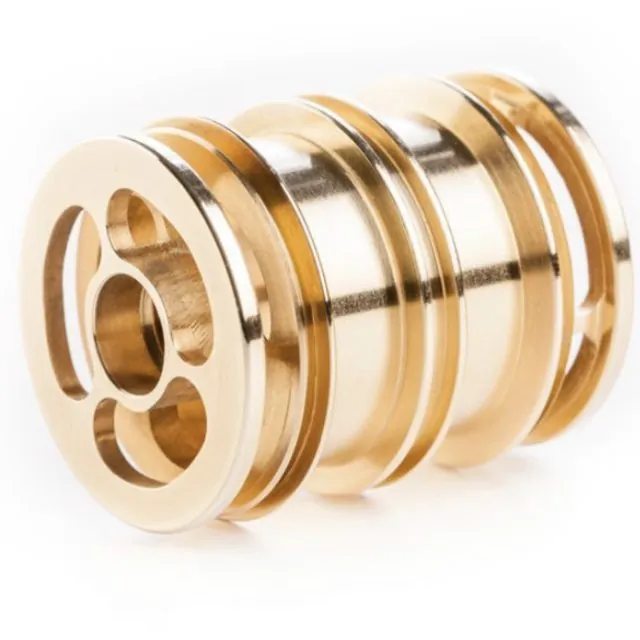
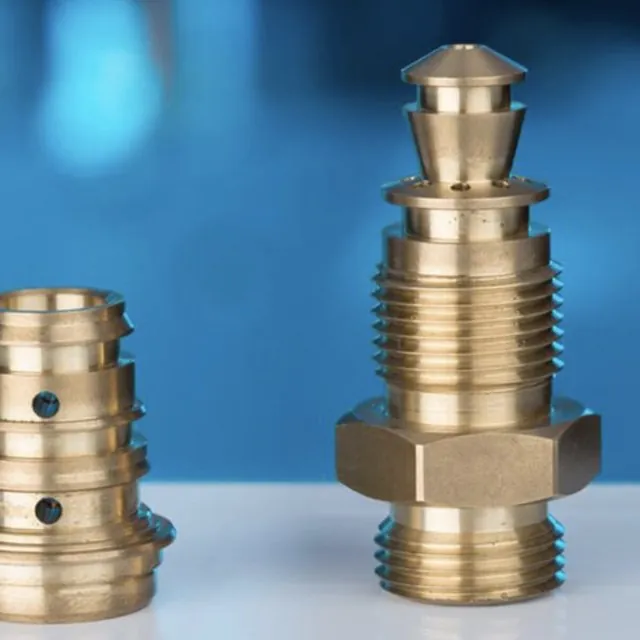
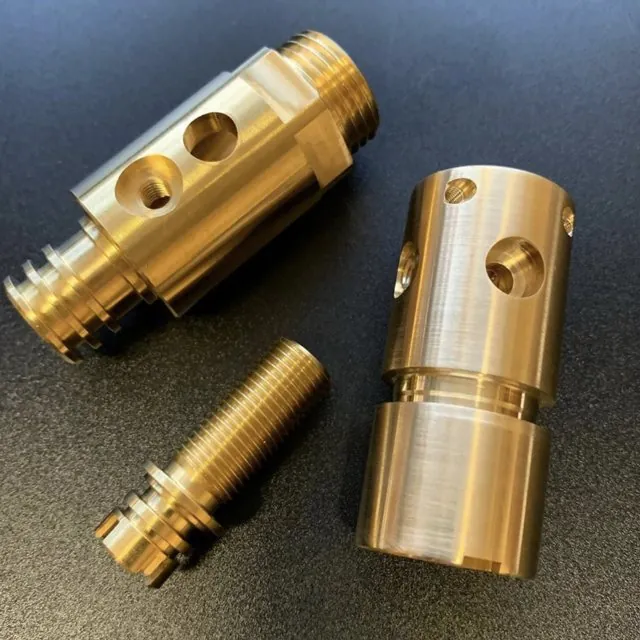
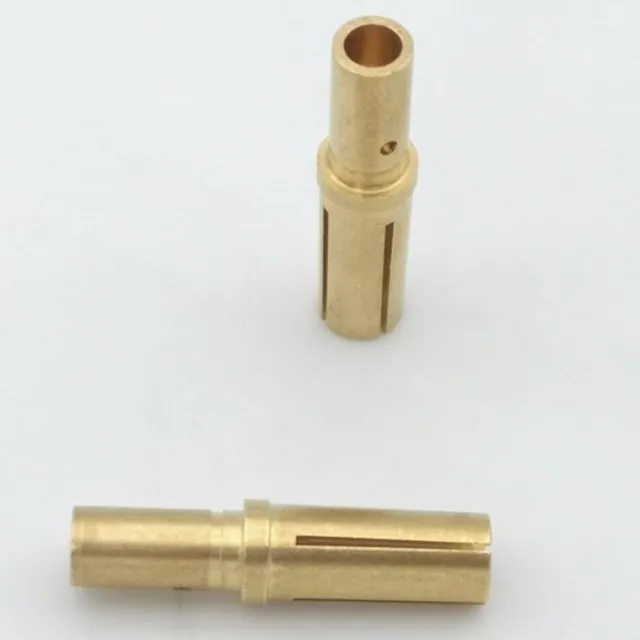
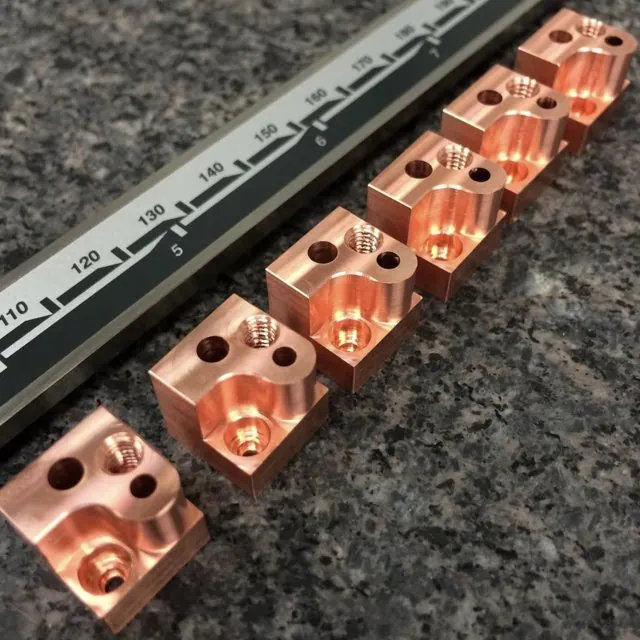
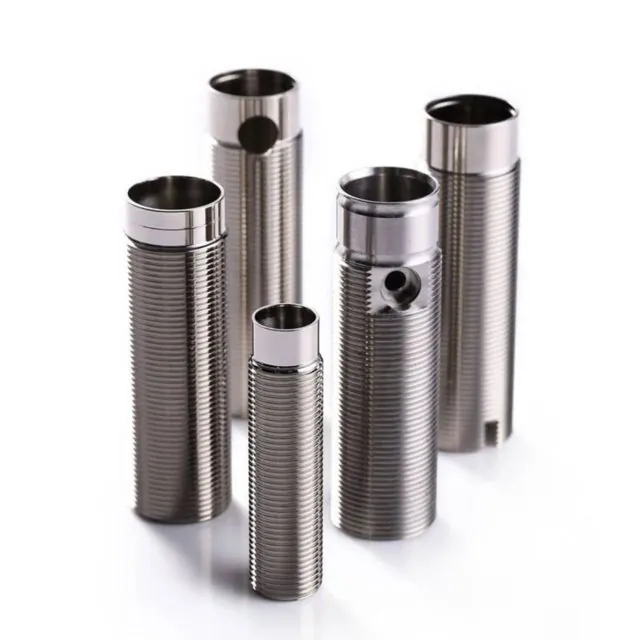
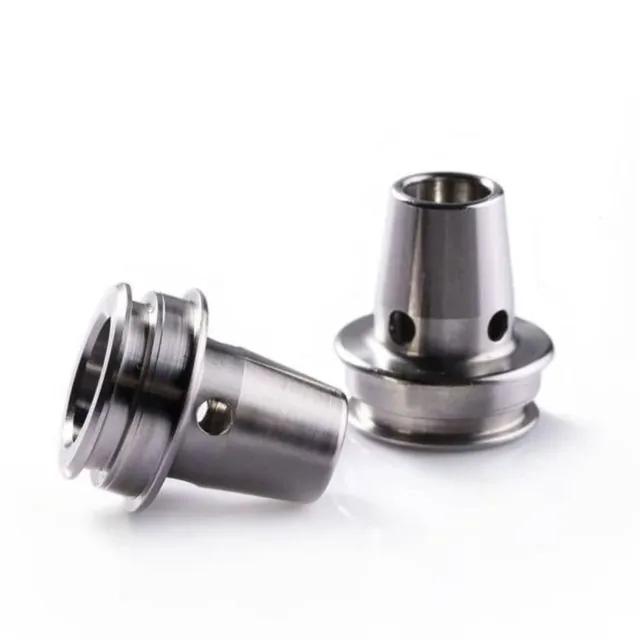
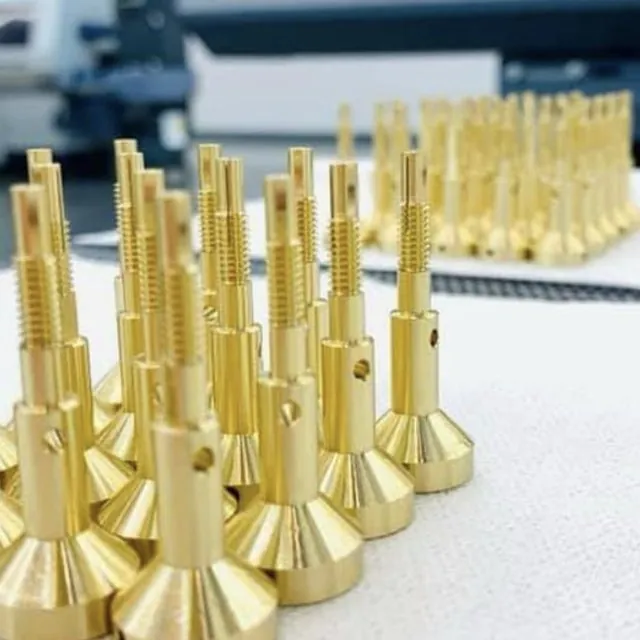
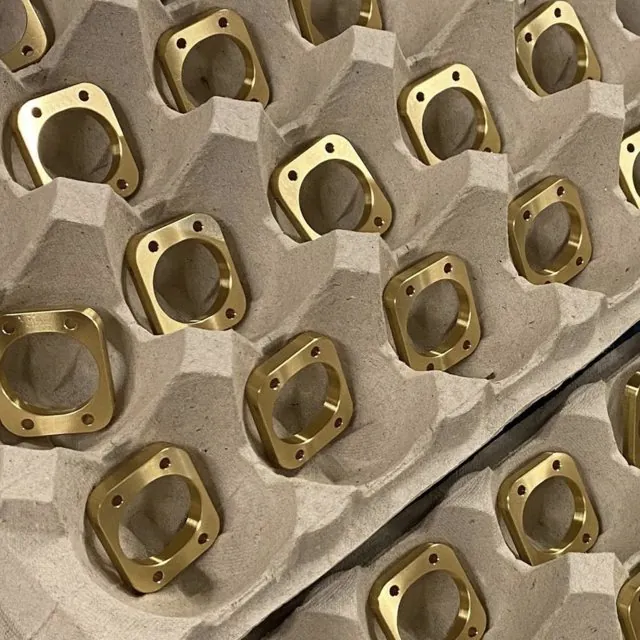
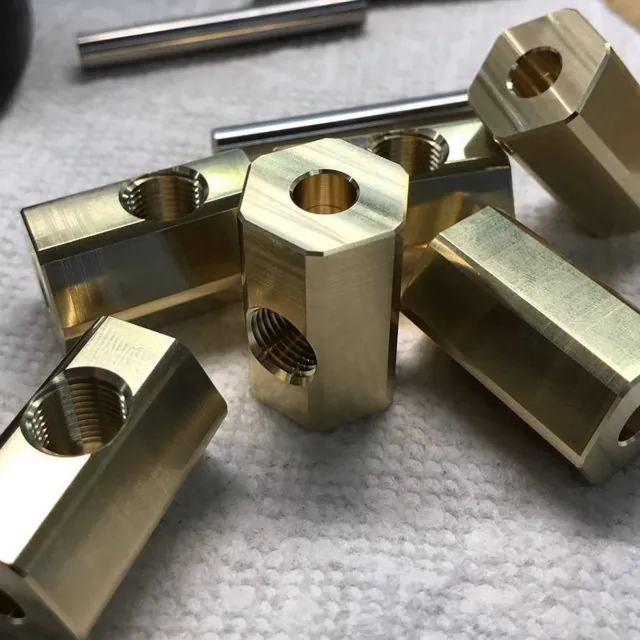
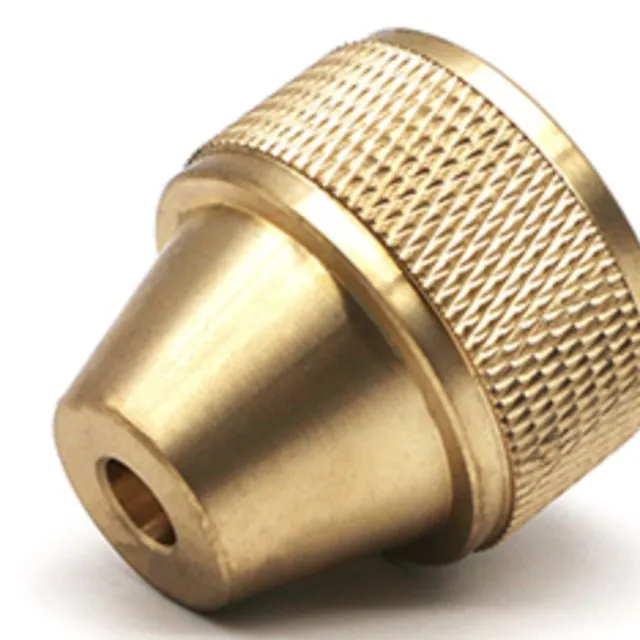
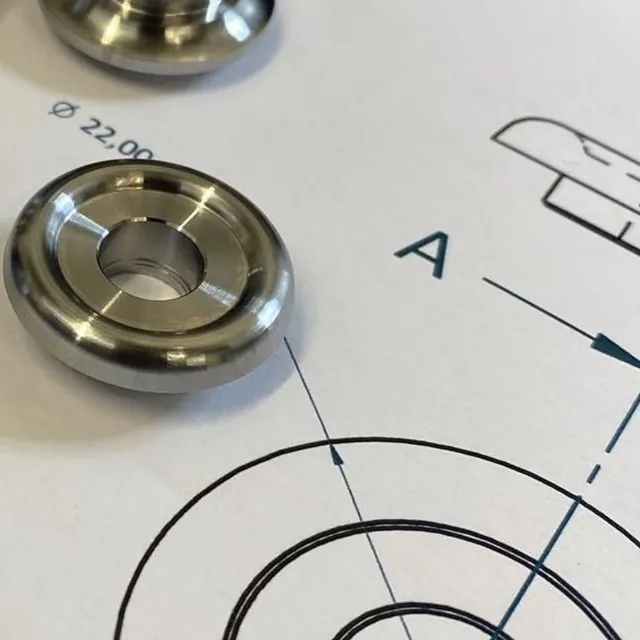
A sample of precision brass, copper and aluminium components produced on our Swiss-type and multi-axis CNC machines.


We review your 2D/3D part and quote within 24 hours — in the right alloy, on the right machine.
Request a Quote →Swiss turning (sliding headstock or Citizen/Star turning) supports the bar through a guide bushing positioned close to the cutting tool. This virtually eliminates deflection, enabling long, slender parts (L/D > 20) to be turned with extreme precision — impossible on conventional CNC lathes. Multiple simultaneous axes (up to 13 CNC axes) allow complete front and back working in a single pass from bar stock.
Swiss turning demands the most from alloy machinability — chip stringiness, bar stock straightness tolerance, and surface finish all become critical at high L/D ratios.
| Alloy | Swiss Suitability | Key Reason |
|---|---|---|
| CW617N | Excellent | 100% machinability, short chips, dry OK |
| CW614N | Excellent | Highest Pb → finest surface finish, best for optical/instrumentation parts |
| CW625N | Good | 72% — manageable with proper parameters; slightly longer chips |
| CW612N | Good | 65% — requires positive rake and chip control; lower Pb helps ductility |
| CW724R | Moderate | 80% but lead-free → longer chips requiring active chip management |
| C27450 | Moderate | 55% — possible for short parts; not ideal for high-L/D Swiss work |
| C11000 | Avoid | Gummy, stringy chips cause guide bushing contamination and bar seizing |
Swiss machines are more demanding on bar stock quality than conventional CNC:
Swiss turning's combination of extreme precision and long L/D capability makes it ideal for:
Modern Swiss machines (Citizen, Star, Tsugami, Tornos) offer selectable guide-bushing or no-guide-bushing mode:
With guide bushing: Long L/D (>4:1), highest precision, minimal vibration, requires slightly oversized bar stock.
No guide bushing: Better material utilisation (less bar remnant), suitable for L/D < 4:1, lower tolerance on bar stock quality.
CW724R can be Swiss-turned but requires specific adaptations:
Use positive rake (+8° to +12°) inserts with chip-breaking geometry. Reduce feed by 20–30% vs CW617N. Increase coolant flow — stringy chips in guide bushing can cause seizing. Expect 15–25% lower throughput vs CW617N.
Brassland operates Swiss turning capacity on Citizen and Star machines — pneumatic fittings, instrumentation parts, and connector bodies at any volume, all machined to your drawing.
Discuss Your Part Custom Parts →On a Swiss-type lathe the bar slides through a guide bushing and is machined right at the support point, so long, slender parts can be cut without deflection. It is the process of choice for small-diameter, high-precision turned parts — pins, spools, connectors, terminals — in high volumes.
Brassland operates 28+ Swiss-type sliding-head lathes within its 79+ CNC machine park in Jamnagar, running day and night shifts under ISO 9001, 14001 and 45001.
Choose Swiss when the part is small (typically under ~20 mm diameter), long relative to its diameter, or carries tight tolerances on multiple features — the guide bushing and live tooling complete the part in one cycle. Conventional fixed-head CNC remains more economical for shorter, larger-diameter parts.
Swiss turning routinely holds tighter diametral bands than fixed-head turning on slender parts; typical capability on brass is ±0.005–0.01 mm depending on feature and length. Capability is confirmed by first-article inspection — send your drawing for a feature-by-feature answer.
Swiss-turning parameters, tolerances, bar-stock and tooling guidance on this page are drawn from the sliding-head machine builders, tool makers and standards bodies below. For production-critical work, validate against your machine, tooling and material supplier — the values shown are starting points for free-machining brass on sliding-head CNC.
Last reviewed: June 2026. Parameters are typical starting values for free-machining leaded brass (CW617N/CW614N) on Swiss sliding-head CNC; reduce speed and feed by ~20–30% for lead-free silicon brass (CW724R) and manage chips actively. For close-tolerance, slender or high-L/D parts, validate via first-article inspection (FAI) before scale production.